
The 10-Wash Reality: How to Tell if an Online Cotton Kurta or Skirt Will Survive Laundry
That ₹599 printed cotton skirt looked stunning on the model, but shrank four inches and twisted sideways after one bucket soak. Here is what product photos deliberately hide—from bias-cut shortcuts to fake starch finishes—and the 4 physical checks to run the moment your parcel arrives.
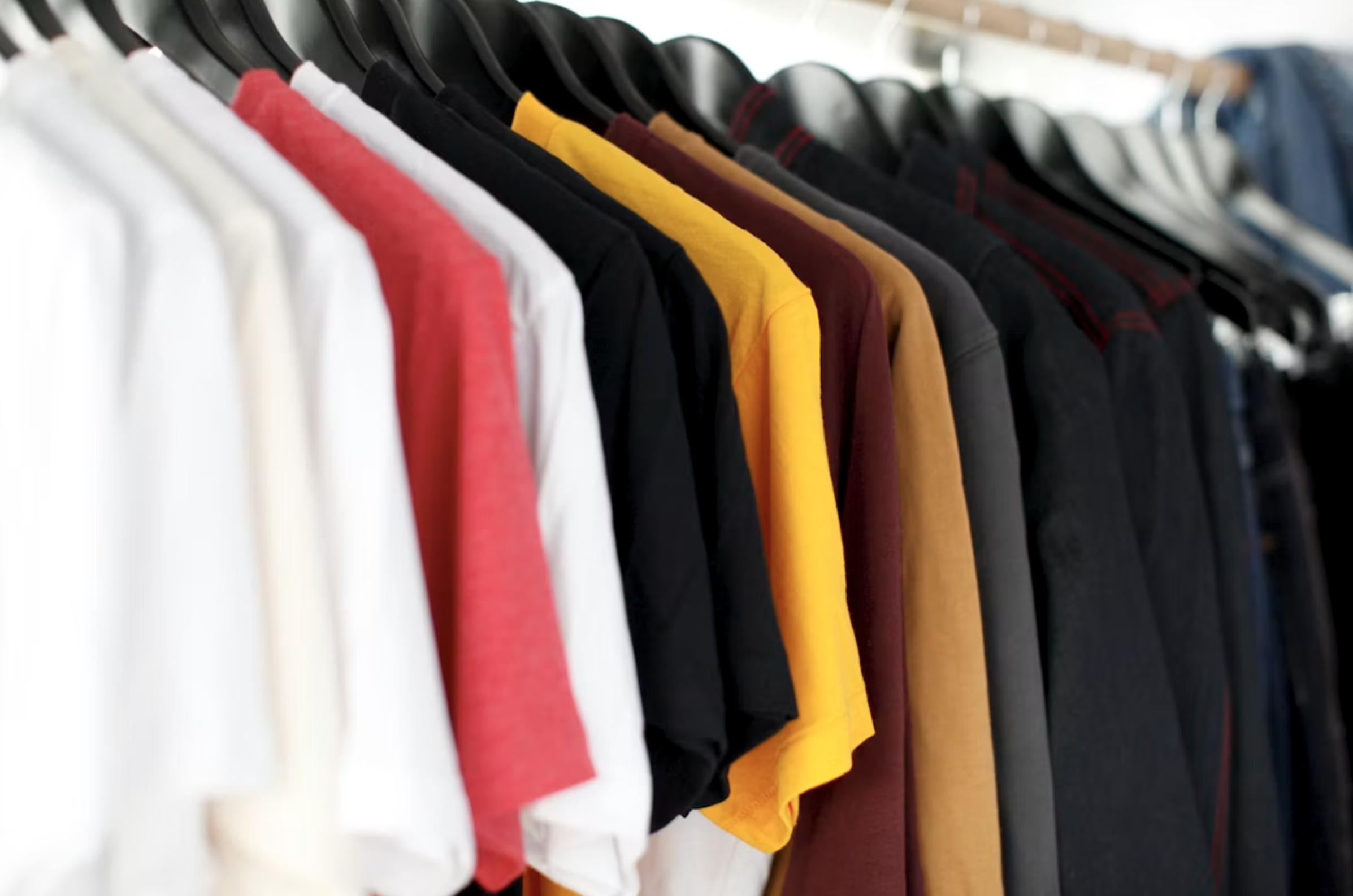
Every online shopper in India has experienced this exact heartbreak: you spot an ankle-length printed cotton skirt or A-line kurti on Myntra, Ajio, or Meesho. The studio lighting makes it look crisp and breathable, the customer reviews praise the "lovely color," and at ₹499 to ₹899, it feels like an outright steal.
Then comes wash number one.
The hemline twists diagonally toward your knee. The vibrant maroon print leaches half its dye into the bucket, turning the water ink-black. And that supple hand-feel? Gone. The fabric feels like limp surgical gauze.
The truth is, budget garment manufacturing has developed an entire playbook to make 70 GSM cheap yardage photograph like 140 GSM premium cambric. Before you hit buy on promotional festival sales, understanding how mills cut corners—and cross-checking fabric specifications using our Live Multi-Store Price Comparison Engine—will save you from endless return hassles.
Here are the exact physical checks you should run within your 7-day return window.
1. The "Off-Grain" Cut (Why Your Side Seams Twist Sideways)
Have you ever owned a flared skirt or kurta where the right seam somehow wanders across the front of your leg while walking? That is not an accident; it is a manufacturing shortcut called off-grain cutting.
Woven fabric has two fundamental sets of threads:
- The Warp (Grainline): Runs vertically along the length of the fabric bolt. It is strong, tightly tensioned on the loom, and does not stretch.
- The Weft: Runs horizontally from edge to edge. It has mild natural give.
When quality brands lay down patterns, they strictly align the centerline of skirts and kurta panels parallel to the warp. This ensures gravity pulls the garment straight down, adhering to Bureau of Indian Standards IS 2977 standards for dimensional stability in woven textiles.
Budget factories cutting 5,000 skirts a day cannot afford "wasted" corner fabric. To squeeze 15% more garments out of a single bolt of cloth, their pattern-makers rotate the pieces diagonally along the bias. It looks fine on day one because industrial press irons keep it flat. But the moment water relaxes the fibers, the unbalanced tension pulls the entire garment into a corkscrew.
The 10-Second Test: Fold the skirt in half vertically, aligning the waist edges and side seams together. Hang it up by the waistband. If the front hem naturally swings forward or twists away from the back hem, return it immediately. It will twist twice as badly after washing.
2. The Starch Mask: Fabric Weight vs Chemical Stiffener
A frequent complaint with online cotton apparel is: "The material felt thick when I opened the parcel, but became paper-thin after washing."
Garment exporters call this sizing. Low-grade mill cotton (often 30s single-yarn with a loose open weave) is treated with heavy potato starch and polyvinyl alcohol during final finishing. This coats the microscopic thread gaps, artificially boosting fabric weight and giving it a faux-crisp drape in catalogue shoots.
🔍 Related Investigation: This identical finishing trick is used to fake luxury linen: read our deep teardown on The ₹1,299 "Pure Linen" Illusion: Why Online Linen Shirts Turn Into Wet Cardboard to see how factories substitute short flax waste with chemically coated viscose.
Once submerged in room-temperature water, the starch dissolves completely, exposing the loose, flimsy weave underneath.
How to catch it before cutting the tags:
Hold a single layer of the fabric directly against a window or phone flashlight:
- Balanced Weave: You should see tiny, uniform square openings between threads with consistent yarn thickness throughout.
- Starched Gaping Weave: You will see irregular gaps, fuzzy yarn lumps (slubs), and if you scratch the surface with your fingernail, tiny white powdery residue lifts off. That powder is topical sizing.
3. The 30-Second Dry-Friction Rub (Testing for Color Crock)
Natural block prints, Bagru patterns, and deep indigo or crimson dyes look incredible on cotton. However, cheap fast-fashion brands often skip the essential post-dye acidic fixing bath (which neutralizes unfixed dye molecules) because water treatment and steaming cost money.
Under the AATCC Test Method 8 (Colorfastness to Crocking) and Indian consumer protection norms enforced by the Central Consumer Protection Authority (CCPA), garments that leach unfixed pigment upon light contact violate basic quality standards.
Do not wait until laundry day to find out if your clothes bleed:
- Take a dry, clean white cotton handkerchief or a regular facial tissue.
- Press your thumb firmly into the fabric and rub back and forth 15 times over the darkest printed section.
- If color transfers onto the dry white tissue: That is a high degree of "dry crocking." This garment will stain your car seats, light-colored handbags, and undergarments from plain body heat and sweat—let alone water. If this happens, file an immediate return ticket or register a grievance via the National Consumer Helpline (NCH).
- If dry rubbing is clean, moisten a cotton earbud with plain water and lightly rub an inside seam. Slight pale staining on deep indigo is normal for natural vegetable dyes, but heavy pigment transfer means the dye was never properly fixed.
4. Inspecting the Underside: Overlock Stitch Density
Turn the skirt or kurta inside out and look at the overlock stitching along the side seams and hem:
- Cheap Construction (6–7 Stitches Per Inch): Wide, loose thread loops with frayed raw cotton edges poking out. After 3 spins in a washing machine drum, those loops snag, snap, and cause the seam to split open.
- Durable Construction (10–12 Stitches Per Inch): Tight, compact interlock chain stitches that fully encase the raw edge like a neat border.
Also check the seam allowance. If there is less than 0.5 cm of margin inside the stitch line, the fabric will pull apart at stress points (hips, pocket corners, and armholes) because thin cotton frays right through the seam holes. If you are shopping for quality long-staple cotton apparel, browse our curated Women's Fashion & Indian Wear Catalog where we track items with verified high review retention.
The Smart Wash Protocol for Cotton Under ₹1,000
If you bought a piece you love and want to prevent premature wear:
- First Wash Salt Soak: Soak the unwashed garment in cold water mixed with 2 tablespoons of regular rock salt for 20 minutes. Salt acts as an electrolyte that slows ionic dye migration, helping set reactive cotton dyes.
- Never Tumble Dry on High: Cotton fibers shrink when mechanical agitation meets high heat. Hang-dry upside down in the shade; direct midday Indian sun bleaches dark prints in under two months.
- Iron While Damp: Always press printed cotton on the reverse side while it is slightly moist to protect the print luster without scorching the surface.
Related Lab Investigations & Shopping Tools
- 🧵 Men's Fabric Guide: The ₹1,299 "Pure Linen" Illusion: Why That Summer Shirt on Myntra Feels Like Wet Cardboard After Two Washes
- 🎧 Gadget Teardown: The ₹1,499 "45dB ANC" Earbuds Lie: Why Budget Pairs Can't Even Silence a Ceiling Fan
- ⚡ Live Head-to-Head Comparison: Compare Prices & Specs Across Amazon, Flipkart & Meesho
- 🏷️ Verified Price Drops: Browse Today's Handpicked Coupon Drops & Loot Deals